April 2026

Early Childhood Studies and Teach Early Years Magazine – a key collaboration
By Claire Huggins

Share post:

Read time: approx 8 mins

Teach Early Years magazine is the leading B2B title for early years teachers, practitioners and providers, offering expert advice on educating the 0–5s and operating a sustainable childcare business.

Emma Davis is a senior lecturer in education, here, she introduces her collaboration with Teach Early Years magazine and explains how she wants to use it to shine a light on our students' work.

Emma Davis

"When I was managing a nursery setting in Herefordshire, I wrote a feature for Teach Early Years magazine called ‘Tales from the Setting Floor’. It was about the realities of practice, communicating what was actually happening with children, families and staff, beyond the policies and frameworks within the Early Years Foundation Stage. 


Now, seven years later, I'm delighted to be writing another series for the magazine, but this time the focus has shifted and will explore what's happening in the university classroom and on placement, including what students are learning, thinking about, and bringing to the sector, as they prepare to become the next generation of early years professionals.


I'm now Senior Lecturer and Programme Lead for Early Childhood Studies (ECS) at University College Birmingham, and for over four years, I've been working with students who are preparing to enter the sector. 
That shift from setting manager and early years teacher to programme lead has been significant. I still draw on all of my practice experience, such as the Ofsted inspections, the funding headaches, the joy of watching children thrive in the learning environment and the complexity of supporting vulnerable families. However, now I'm thinking about how we prepare the next generation of practitioners to step into that world.

Having led a setting myself, I know firsthand the emotional weight of leadership in early years. That's partly what drew me to my PhD research, which explores the emotional experiences of leaders in private, voluntary or independent (PVI) settings in England. Through narrative inquiry and ethical storying, I'm exploring what it really means to lead in early years, and this knowledge translates into my teaching and interactions with students.

Last year, I met with the Department for Education (DfE) to discuss the findings of my research and to advocate for the voices of early years leaders who are navigating increasingly challenging circumstances.

This work reminds me why I'm so invested in preparing students, not only to understand the theory, but to grasp the human realities of this profession.

Staying connected to practice and current thinking in the sector isn't something I do passively. I engage with professional networks, attend and speak at conferences, contribute to policy discussions, and keep up with research that's shaping early years. I write regularly, covering everything from staff wellbeing and safeguarding to inclusive practice and the value of graduate leadership. I want students to see what it means to be a professional who stays engaged, who is curious and learns alongside others.

If I'm asking students to be reflective practitioners, I need to embody that myself.

"As the student voice is so important to us at UCB, I'll be inviting all students across the ECS programme to be part of this project."

Emma Davis Senior lecturer - education

At a time when the sector is struggling with recruitment and retention, now seems like the perfect time to use this collaboration with Teach Early Years magazine as a way to really highlight the value of degree-level study in early years, and celebrate the students who are choosing to enter the profession, despite knowing full well the challenges they'll face.

Within the articles for the magazine, I'll be writing about what students on our programme are actually learning and experiencing which will include pedagogy, play, child development, inclusion, leadership, safeguarding, professionalism and research-informed practice. 

There will also be information on the enrichment that sits alongside the academic work. Our students complete 200 hours of placement each year, they're trained in paediatric first aid and food hygiene, and they hear from practitioners, policymakers and researchers. As part of their studies, they're wrestling with contemporary issues involving funding crises, workforce challenges, the undervaluing of early years, the increasing number of children being raised in poverty and the reality of children growing up in a digital world.

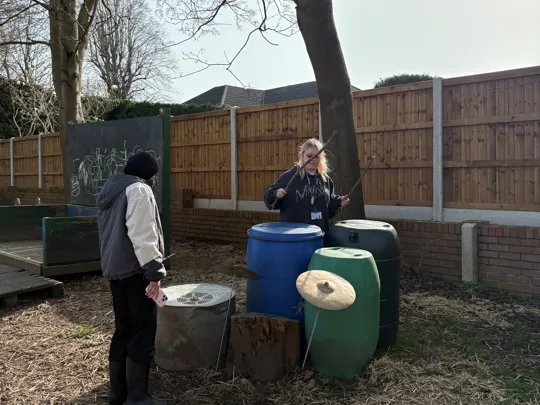
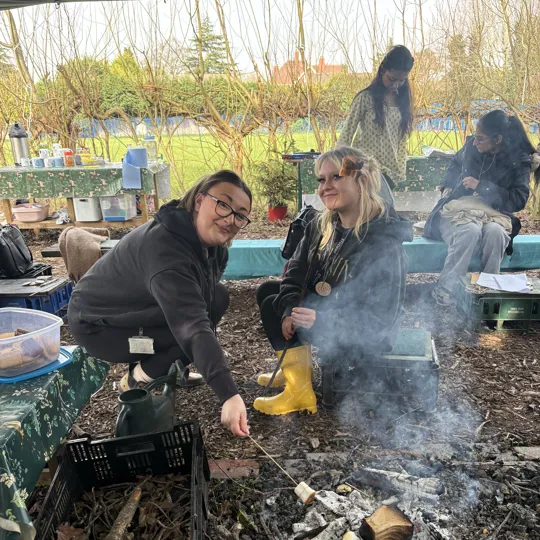
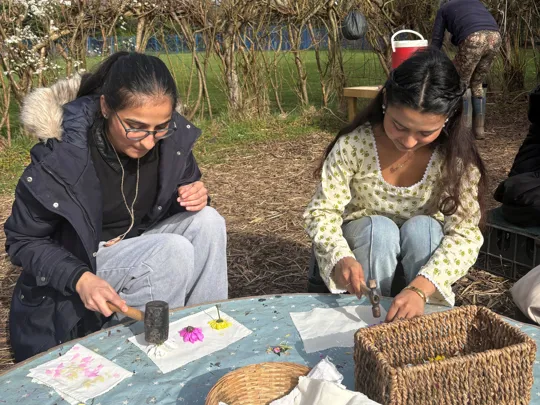
Students test their forest school skills

The involvement of students

As the student voice is so important to us at UCB, I'll be inviting all students across the ECS programme to be part of this project. Some might co-write articles with me, others might contribute reflections, challenge my thinking, or include insights from placement. The aim here is to nurture thinking, questioning, evolving professionals who have things to say about the sector they're entering.

I know our students will be as excited as I am, to draw on the wealth of opportunities they’ll have to enrich their studies while they’re with us.

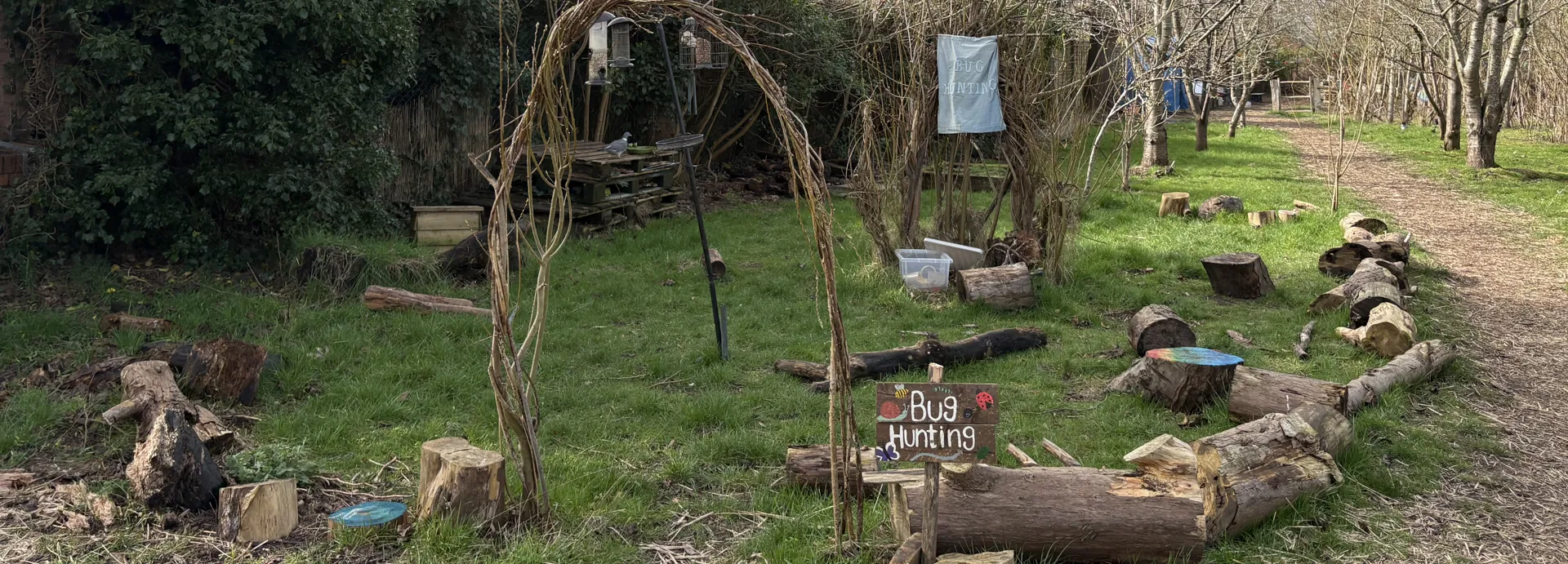
Already this year, our third year students have been out and about, visiting Pedmore C of E Primary School for an authentic forest school session with Fruits of the Forest Outdoor Learning Forest School. We explored the history and value of the forest school model of teaching, the influence on a child’s holistic learning and development, and how to safely manage ‘risky’ play.

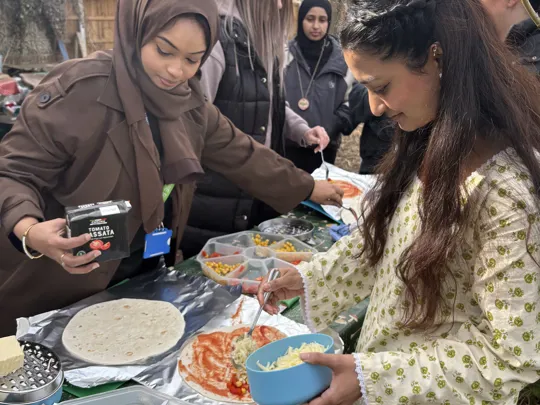
Everyone enjoyed a range of activities from Hapa Zome (leaf dye artwork), clay play, bug hunting, mud kitchen play, music making and outdoor role play, before cooking lunch on the fire, listening to stories and practicing mindful meditation. The students have come away with a bank of ideas which can now be incorporated into their practice, as well as upcoming placement observations.
In March, we moved back indoors as University College Birmingham welcomed the Early Childhood Studies Degrees Network (ECDSN), the national membership organisation for Early Childhood Studies in higher education, for their AGM. Its Graduate Practitioner Competencies are a set of assessed practice competencies awarded in the third year (Level 6); they evidence students' holistic understanding of early childhood development and their ability to apply, critically evaluate and communicate theoretical knowledge, to their practice. 

Hosting the ECDSN was an important step for our students and the University: 


1.    our membership means that UCB's early childhood studies provision sits within a nationally connected, research-informed and policy-influencing network


2.    graduates who meet all competencies are awarded the nationally recognised title of Early Childhood Graduate Practitioner, giving them confidence that their degree carries professional recognition across the sector.

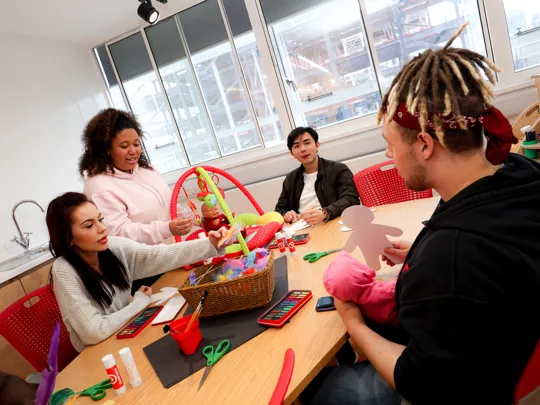
Also, this semester students have had the opportunity to: attend a Makaton Introduction session, explore the immersive suite in the psychology department, enjoy guest speakers from Play England and Healthy Start, as well as collaborating with Cosy Direct on a project to design a new resource.

At a time when we talk endlessly about workforce challenges, we need to hear more from the people choosing to come in. What draws them to early years? What frustrates them? What gives them hope? I can’t wait to share our experiences in my forthcoming articles for Teach Early Years."

Explore our education courses.

In pictures

Back to top