February 2026
Blog | We're combining accredited degree courses with work-based learning for a comprehensive psychology education
By Gill Brown
Share post:Read time: approx 5 mins
Combining knowledge with hands-on experience
For us, it’s vitally important for students’ professional development for them to gain practical experience using lab equipment from early on in their degree, rather than restricting its use to those conducting postgraduate research or academic staff.
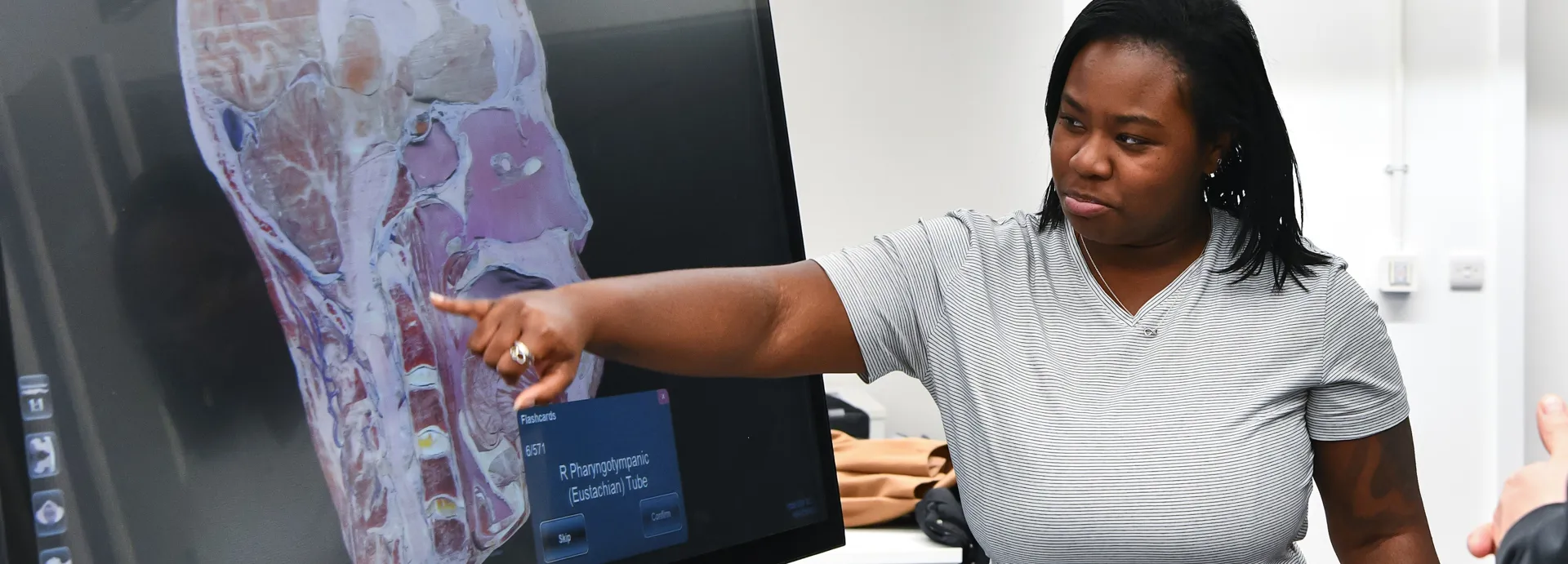
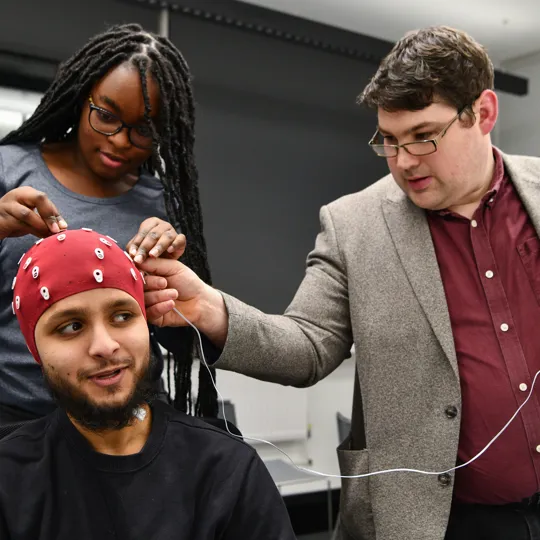
The University has invested significantly in a state-of-the-art lab and an experienced Teaching and Learning Technician who's also a practitioner, so our students will have the chance to work with anatomage tables, eye trackers and EEG caps at both an observation suite and a VR suite. We really want our students to embrace the newest technology but also learn how to apply it in the real world.
It has also been important to consider the skills students will need when working locally, regionally or internationally. Social psychology theories are incorporated through a module called Working With Diverse Communities, and as part of that, we've been engaging with employers, the council, and with practising psychologists to look at the skills they want our graduates to have. Knowing what they need and where there are shortages means we can embed these skills from the very beginning.

"Employability and skills come first here, they're not an afterthought, and that aligns perfectly with my values and passion."

Work-based learning to help build a successful career
Our emphasis on practical skills isn’t confined to the lab. We've developed a mental health module that includes training in Mental Health First Aid, giving students a qualification they can use in employment and while volunteering.
Incorporating work-based learning means we're teaching students how to do the kinds of things they're going to need to do when they're working in the real world, in the diverse range of roles they might go into.
Birmingham as a city is at the heart of what we do. Students from across the country will find UCB has significant links with industry and the wider community, and our students are able to work on placements in mental health units and forensic service, or volunteer with charities that work around food.
Our curriculum is co-written with students and with employers – we even recently spoke with Birmingham City FC about employment opportunities for students who haven't yet started their degrees.
We want our students to emerge as highly skilled and knowledgeable graduates, set on the path to a career they can be proud of.
Check out our latest news stories
Employer scholarships launched to break down barriers for Birmingham students
University College Birmingham has launched the first eight of a suite of new, fully-funded scholarships for stude…
Read more
Prioritising potential, not paperwork: University lifts support allowance to £6,000
The Cost of Living Allowance is rising to £6k for new students.
Read more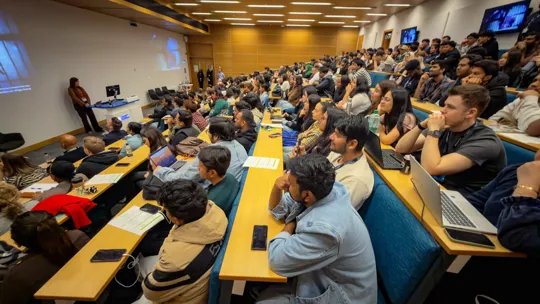
Blockbuster Birmingham takes centre stage at 2026 ITT Future You Conference
The emerging world of ‘Set Jetting’ was top of the agenda at the eighth annual ITT Future You Conference.
Read more
Blog | Our 7 top tips for exam preparation
Exams just around the corner? Feeling anxious, or like you’re not sure how to prepare? Don’t worry! Our top tips will help you navigate this stressf…
Read more
A peek behind the scenes for Events Management students at NEC's Event Week Live 2026
Students and staff had the opportunity to attend an industry networking day at Event Week Live 2026.
Read more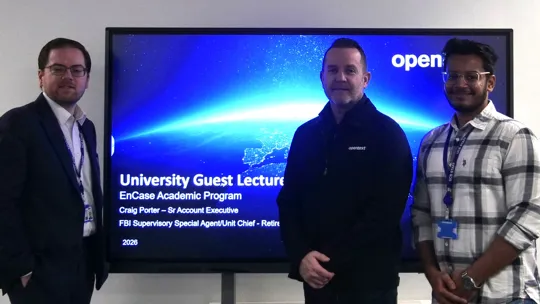
Digital forensics under investigation by cyber security students
A former FBI agent and digital forensics specialist visits as a guest speaker.
Read more